Which Facial Is Best for Dry Skin? A Canberra Guide

Dry skin can be surprisingly hard to get right.
A lot of people assume it just means using a thicker moisturiser and calling it a day. In reality, dry skin can show up in ways that are easy to miss at first. Your face might feel tight after cleansing. Makeup may sit unevenly around the nose or cheeks. You might notice your skin looks a bit flat, especially in colder weather or after long days in air conditioning.
That is usually when people start looking into facials. Not because they want anything dramatic, but because their usual routine is no longer doing enough.
If that sounds familiar, the good news is this: there usually is a facial that suits dry skin well. The less helpful news is that it is not always the one with the fanciest name or the most aggressive sounding treatment steps. Dry skin generally responds better to facials that focus on hydration, comfort, and supporting the skin barrier rather than pushing the skin too hard. Dermatology guidance broadly leans the same way, recommending gentle cleansing, warm rather than hot water, and richer moisturising support for dry skin.
Dry skin is not always just about “needing more moisture”
One reason people struggle to choose the right facial is that dry skin is not always straightforward.
Sometimes it is true dryness. Sometimes it is dehydration. Sometimes it is dryness mixed with dullness, rough texture, or sensitivity from overdoing active skincare at home. And sometimes it is simply skin that has lost some comfort and bounce over time.
That distinction matters, because the best facial for dry skin is not necessarily the strongest one. In many cases, it is the one that helps your skin feel calm, nourished, and balanced again.
A practical rule of thumb is this: if your skin already feels stressed, flaky, tight, or reactive, it usually does not need a treatment that leaves it feeling even more stripped. The American Academy of Dermatology recommends a gentle cleanser, shorter warm showers, and applying fragrance-free moisturiser straight after washing to help relieve dry skin.
That same mindset carries over to facial treatments.
What makes a facial good for dry skin?
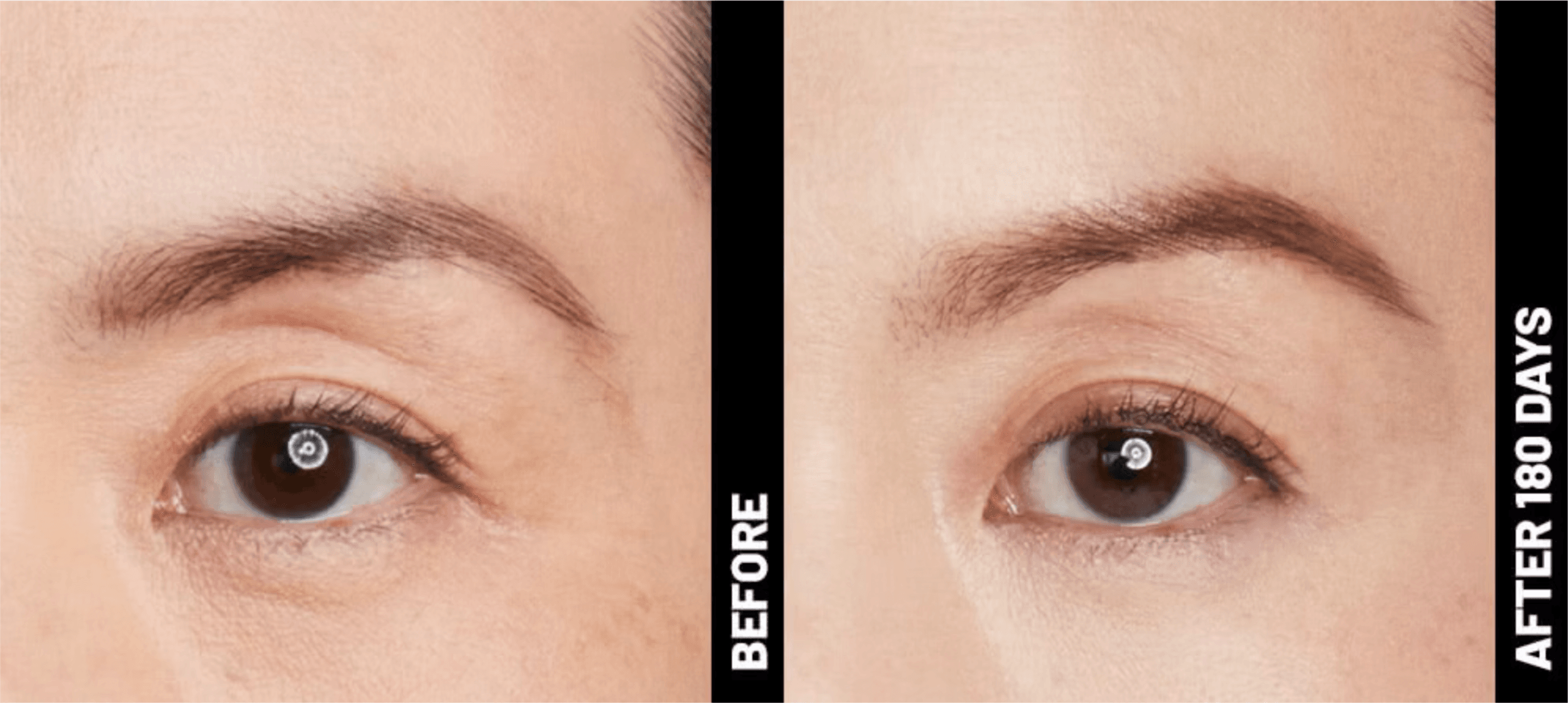
A good facial for dry skin usually does a few things well.
First, it cleanses without taking too much out of the skin. That sounds obvious, but plenty of people with dry skin have had facials that left them feeling “clean” in the moment and uncomfortable by the end of the day.
Second, it uses exfoliation carefully. Dry skin can still benefit from removing rough surface build-up, but there is a difference between gentle refinement and over-exfoliation. The right facial should leave skin smoother, not raw.
Third, it puts hydration and nourishment at the centre of the treatment. Not as an afterthought, but as the main point.
If a facial can do those three things well, it is usually already moving in the right direction.
For many people, the best place to start is a hydration-focused facial
If you want the short answer, a hydration-focused facial is usually the safest and most useful starting point for dry skin.
That is one reason the Luxury Facial Care Treatment stands out. On the treatment page, Sycamore describes it as a premium facial designed to address dehydration, as well as radiance, wrinkles, firmness, and blemishes. That makes it especially relevant for people whose skin feels dry, tired, or not quite as healthy-looking as it used to.
What I like about this kind of treatment for dry skin is that it makes sense in real life. It is not built around the idea of punishing the skin into looking better. It is built around restoring some of what the skin is missing.
That tends to be what dry skin needs most.
If your dry skin also looks dull, that changes the answer a little
Dry skin rarely comes alone. A lot of the time, it brings dullness with it.
When skin lacks moisture, it can lose that smooth, light-reflective look people usually describe as glow. It may not look unhealthy exactly, but it can start to look tired or uneven, even when you are doing all the usual things at home.
If that sounds more like your skin, then a facial that combines hydration with surface refinement may be a better fit than something that is purely moisturising.
That is where Sycamore’s Korean Style Facial Treatment starts to make sense. The treatment is described as a multi-step facial that cleanses, exfoliates, and nourishes, with a focus on a radiant, balanced complexion. For someone dealing with dryness plus dullness, that balance can be appealing.
This does not mean Korean-style facials are automatically “better” than every other facial for dry skin. It just means they may suit people who want hydration, but also want to improve that flat, tired look that dry skin often creates.
If you want a clearer breakdown of that style of treatment, Sycamore’s blog post on Korean Facial vs Traditional Facial is actually useful. It makes the sensible point that the right facial depends on your goals, your lifestyle, your sensitivity level, and the kind of result you want to prioritise.
If you are not sure what your skin needs, a customised facial can be the smarter option
A lot of people do not walk into a clinic thinking, “I have textbook dry skin and require exactly one category of treatment.”
Usually it is more like this:
“My skin feels dry, but I also get congestion.”
Or:
“It feels dehydrated, but it also looks dull.”
Or even:
“I just know it is not sitting right lately.”
That is why a Customised Facial Treatment can be a very sensible choice, especially if you are new to facials or your skin concerns are mixed. Sycamore describes its customised facial as suitable for all skin types, gentle, non-invasive, and designed to improve concerns such as texture, fine lines, firmness, and pore congestion.
For dry skin, that flexibility matters.
Sometimes what people really need is not the “best facial for dry skin” in some abstract sense. They need a practitioner to look at how their skin is behaving now and choose a treatment accordingly.
That is often a better approach than trying to force your skin into a category because of something you read online.
What about gentler glow-focused options?
There is another group of people who search for a facial because their skin feels dry, but what they really notice most is that it looks tired. Not irritated. Not heavily textured. Just tired.
For that, a gentler glow-focused treatment can be a good option.
Sycamore’s recent post on the Wishpro Facial frames it as a treatment for clients who want hydration, radiance, smoother-looking skin texture, and a refreshed overall look without moving straight into a more intensive treatment category. That makes it relevant for people whose dry skin feels more dull and depleted than severely compromised.
That kind of facial may suit you if:
your skin feels dry but not highly reactive
you want a fresher, more polished look
you are after comfort and glow rather than a heavy corrective treatment
you prefer something that fits easily into a busy schedule
It is not always the answer for every case of dryness, but it can be a very good fit for mild dryness or dehydration with a tired-looking complexion.
So which facial is best for dry skin in Canberra?
If we are being honest, there is no one-size-fits-all answer.
But there is a useful way to think about it.
If your skin feels truly dry, tight, or uncomfortable, start with a facial that prioritises hydration and barrier support. That is why the Luxury Facial Care Treatment is such a strong starting point.
If your skin feels dry but also looks dull or rough, a treatment with careful exfoliation and nourishment, like the Korean Style Facial Treatment, may make more sense.
If your skin concerns are mixed or you are not quite sure what you need, a Customised Facial Treatment is often the more realistic choice.
And if what you want most is hydration with a refreshed, glowy finish, the Wishpro Facial is worth looking at too.
A few signs you may be choosing the wrong facial
This part gets less attention, but it matters.
People with dry skin sometimes choose facials based on what sounds impressive rather than what actually suits their skin. That is understandable. Stronger treatments can sound more advanced, and advanced can sound better.
But dry skin does not always reward that logic.
You may be choosing the wrong kind of facial if:
- your skin feels squeaky clean afterwards in a bad way
- the treatment leaves you tight or uncomfortable rather than fresh
- you are exfoliating heavily at home and in-clinic
- you keep chasing glow but your skin barrier feels worse each time
- your skin looks smoother for a few hours, then ends up irritated
Dry skin usually does better with consistency than intensity.
That is not a glamorous answer, but it is often the right one.
What helps your results last longer at home
A facial can absolutely help, but what you do between appointments still matters.
If you invest in a treatment for dry skin and then go home to harsh cleansers, hot showers, and skipping moisturiser, the improvement usually will not last very long.
Mayo Clinic notes that dry skin often responds well to simple lifestyle measures, including moisturisers and avoiding long, hot showers or baths.
A practical home routine for dry skin usually looks like this:
- use a gentle cleanser rather than one that foams aggressively
- wash with warm water, not hot water
- apply moisturiser while skin is still slightly damp
- keep exfoliation moderate
- pay attention to how your skin feels, not just how products are marketed
That is not a complicated routine, but for dry skin it is usually more effective than constantly switching between trend products.
One last thing: dry skin can be seasonal, but it can also be persistent
In Canberra, weather shifts, indoor heating, and dry air can all make skin feel worse at certain times of year. That is part of why some people only really notice their dry skin in colder months.
But if your skin stays persistently dry, flaky, itchy, or irritated no matter what you do, it may be worth speaking with a medical professional rather than treating it purely as a cosmetic issue. Dry skin can sometimes overlap with broader skin conditions, and that needs a different kind of advice. The AAD notes that excessively dry skin can increase the risk of problems such as skin infection if it is not managed properly.
That does not mean every case of dry skin is serious. It just means there is value in paying attention if your skin is consistently uncomfortable.
So where should you start?
If you are trying to work out which facial is best for dry skin, it usually makes more sense to focus on what your skin is lacking rather than chasing the most intensive treatment on the menu.
For many people, that means starting with hydration. At Sycamore, the Luxury Facial Care Treatment is often the most relevant option when dehydration is the main concern. If your skin also feels dull, rough, or generally out of balance, treatments such as the Korean Style Facial Treatment, Customised Facial Treatment, or the glow-focused Wishpro Facial may be a better fit depending on your skin goals. Sycamore’s broader approach is centred around tailoring treatments to the client, which is often the most sensible way to handle dry skin in practice. (sycamoremedispa.com.au)
In simple terms, the best facial for dry skin is usually the one that helps your skin feel comfortable again. Softer, calmer, better hydrated, and a lot less stressed.