Ultherapy Canberra: What to Expect Before, During and After Treatment
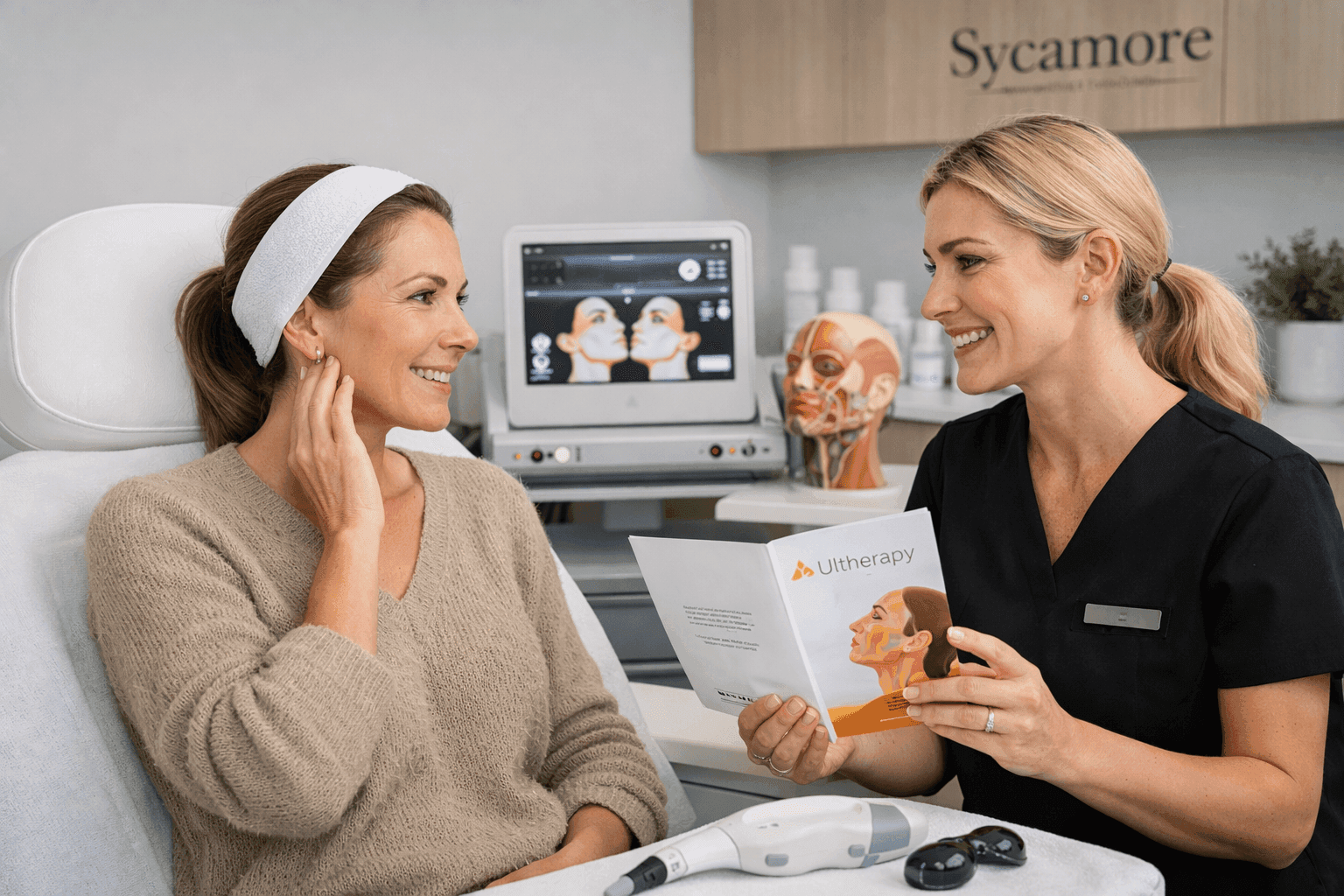
There is a certain point in the skin journey where people stop looking for dramatic change and start looking for something more refined. Not “different”. Not overdone. Just a little firmer, a little fresher, and a little more like themselves on a well-rested day.
That is often where Ultherapy enters the conversation.
For many people considering Ultherapy Canberra treatments, the biggest question is not simply whether it works. It is what the whole experience actually feels like. What happens before the appointment? What is the treatment like on the day? And what should you realistically expect afterwards?
If you have been curious about non-surgical facelift options but want something that feels informed, subtle and grounded, this guide walks you through the full process in a practical way.
What Is Ultherapy, Really?
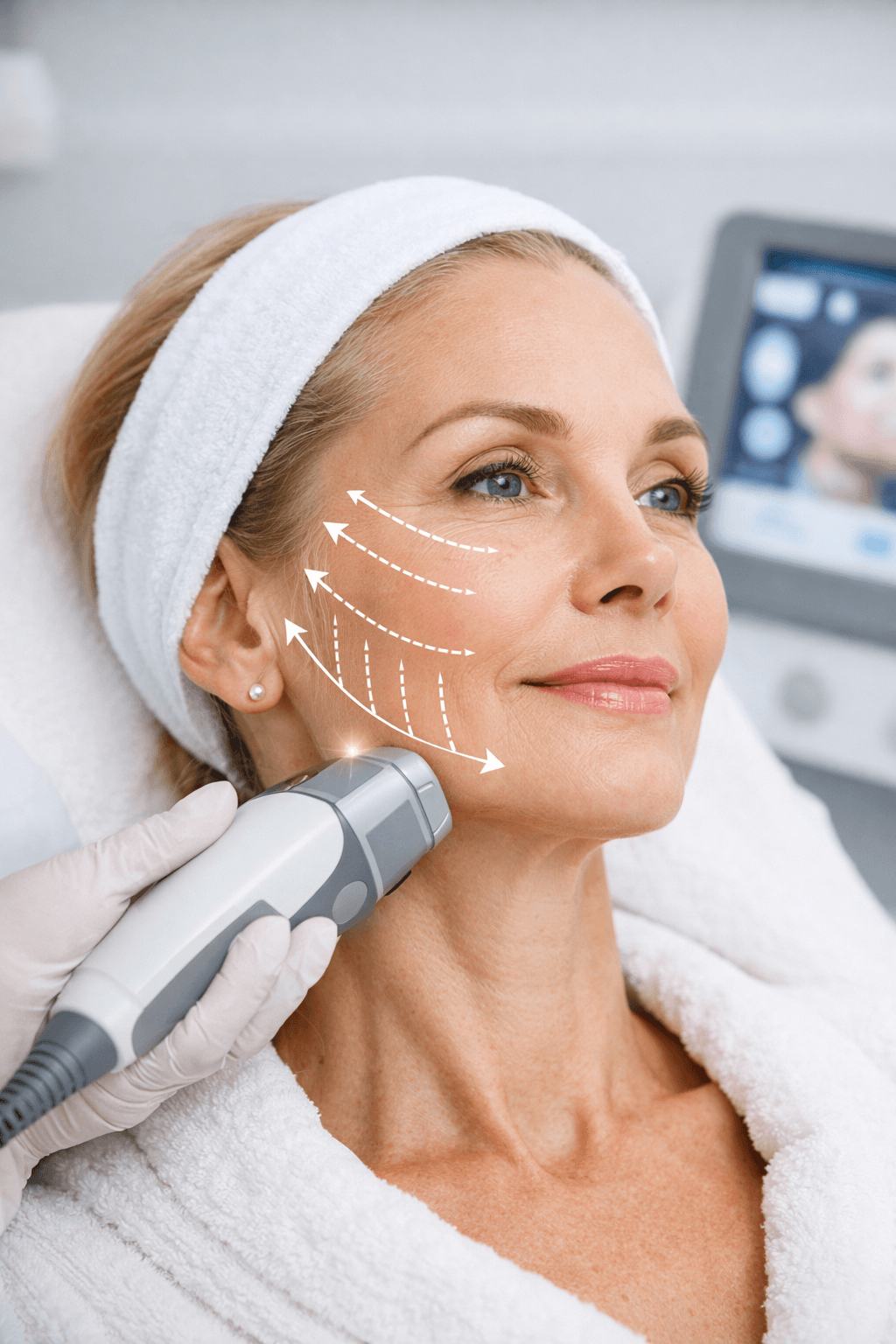
Ultherapy is a non-invasive skin lifting and tightening treatment that uses focused ultrasound energy below the skin’s surface. Official Australian Ultherapy information says it is indicated to lift and tighten the skin on the brow, chin, neck and décolletage, and it generally requires only one session with minimal downtime. The technology also includes real-time visualisation, which helps practitioners see the layers they are treating and personalise the session more precisely. The American Society for Dermatologic Surgery describes ultrasound therapy, commercially known as Ultherapy, as a treatment that stimulates new collagen production and improves the appearance of moderately loose or sagging skin over time.
That last point matters because Ultherapy is not designed to give you an overnight, “I’ve had work done” result. It is better understood as a collagen-stimulation treatment. In other words, it is working with your body’s own repair response rather than creating an instant structural change.
This is why Ultherapy for skin tightening in Canberra tends to appeal to clients who want gradual improvement, natural-looking lift, and little to no interruption to daily life.
##Before Treatment: Who Is Ultherapy Best Suited To?
One of the most helpful ways to think about Ultherapy is this: it is usually best for people who are starting to notice mild to moderate skin laxity, rather than people looking for the kind of change only surgery can deliver. The areas most commonly discussed are the brow, under the chin, jawline, neck and upper chest. Results build gradually as collagen remodelling develops over time, which makes the outcome feel subtle rather than abrupt.
You may be a good fit if:
- you are noticing early softening around the jawline or under the chin
- your skin feels less firm than it used to, especially around the lower face or neck
- you want a lifting treatment without surgery or significant downtime
- you prefer gradual, natural-looking change rather than an instant dramatic shift
- you understand that one treatment may help, but expectations still need to be realistic
It may be less suitable if you are hoping for a surgical-level lift, if the skin laxity is more advanced, or if you want a result that appears immediately after the appointment. In those cases, a proper consultation matters far more than internet hype.
That is also why it helps to think of Ultherapy as one part of a broader skin plan, not always the only answer. If texture, scarring or surface quality are also concerns, you might eventually combine skin-firming goals with treatments such as Meso Microneedling as part of a more layered approach rather than trying to force one treatment to do everything.
What to Do Before Your Ultherapy Appointment
The “before” stage is often less about complicated preparation and more about having the right conversation. According to the ASDS, no major preparation is usually required, but your practitioner should review your medical history, discuss expectations, potential risks and outcomes, and may recommend over-the-counter or prescribed pain medication prior to the session depending on your situation.
A sensible pre-treatment checklist looks like this:
- arrive with clean skin and minimal makeup if your clinic advises it
- discuss your medical history honestly, including current medications and active skin issues
- talk through the areas that bother you most, rather than asking for a “full face” by default
- ask what kind of result is realistic for your skin laxity and age-related changes
- clarify how long the session will take and whether pain relief is recommended beforehand
This part is more important than many people realise. The best Ultherapy journeys usually begin with clear expectations, not high expectations.
It is also worth remembering that “doing your research” should mean more than watching before-and-after videos. Reading the official Ultherapy PRIME information and browsing a reputable clinic’s own treatment philosophy can help you walk into the consultation with better questions. If you want to understand more about Sycamore’s broader approach to personalised aesthetic care, their About Us page gives a useful sense of how consultation-led planning fits into the treatment experience.
During Treatment: What Actually Happens on the Day?
This is the part people are most curious about, and often the part described most vaguely online.
In simple terms, the treatment area is cleansed, ultrasound gel is applied, and the practitioner places the handpiece on the skin. The focused ultrasound energy is then delivered to planned depths below the surface to target the deeper structural layers where collagen production is supported. ASDS notes that the treatment bypasses the skin surface and works at deeper tissue levels, while official Ultherapy PRIME information highlights the platform’s real-time visualisation for more personalised treatment delivery.
A typical appointment usually involves:
- consultation photos or assessment of the treatment area
- skin cleansing and application of ultrasound gel
- mapping and targeted delivery of ultrasound energy
- treatment of one or several focus areas, such as brow, jawline, under chin or neck
- post-treatment review and aftercare instructions before you leave
What does it feel like? The honest answer is that experiences vary. Some people find it very manageable, while others find certain areas more intense than expected. Comfort can depend on the area being treated, your individual sensitivity, and the treatment settings being used. That is another reason why practitioner judgement and communication matter so much.
What Ultherapy usually is not is a fluffy facial. It is a treatment-led appointment with a very specific purpose. But for many people, that trade-off is worthwhile because they are seeking lift and firmness without taking the surgical route.
After Treatment: What the First Few Hours and Days May Look Like
One of the main attractions of skin tightening Canberra treatments like Ultherapy is that recovery is usually relatively light compared with more invasive procedures. Official Australian Ultherapy information says the treatment generally involves minimal downtime, while ASDS notes that after the procedure patients commonly experience temporary flushed skin and may also notice slight swelling for a few days, mild temporary tingling or tenderness, and temporary small areas of bruising or numbness.
In practical terms, this means the first few days may include:
- mild redness shortly after the appointment
- some swelling or sensitivity in treated areas
- tenderness when touching the skin
- occasional tingling, numbness or light bruising
- a return to normal activity quite quickly for many people
That said, “minimal downtime” does not mean “zero sensation” for everyone. It simply means most people are not dealing with a long social recovery period.
This is also the stage where patience matters. Aftercare is often straightforward, but emotionally this is where people can get impatient because the mirror may not show much dramatic change yet. That is normal. Ultherapy is not a same-day transformation treatment.
If you are the kind of client who likes to understand the bigger picture before booking, it can also help to browse related reading on the Sycamore blog, especially if you are comparing Ultherapy with other rejuvenation options rather than choosing blindly.
When Will You See Results?
This is probably the most important expectation-setting question of all.
According to official Ultherapy PRIME information, results can begin to appear after two to three months and may last up to 12 months. ASDS similarly notes that while some people may notice immediate effects, the main lifting and toning develops over the following two to three months, with additional improvement sometimes continuing for up to six months.
A realistic timeline often looks like this:
- right after treatment: you may look mostly the same, perhaps with slight redness or mild swelling
- first few weeks: not much visible change for some people, though the treatment process is underway
- two to three months: more noticeable firmness or lift may begin to appear
- up to six months: continued collagen remodelling may refine the result further
- up to a year: results may persist, depending on the individual and their skin condition
This gradual arc is one of the reasons Ultherapy can look so natural. People around you may simply think you look fresher, more defined, or less tired, without being able to put their finger on why.
Of course, biology still matters. Age, skin quality, degree of laxity, lifestyle, sun exposure and general collagen health all influence how much improvement you see and how long it lasts. That is why the best clinics avoid promising identical results for everyone.
How Ultherapy Fits Into a Bigger Skin Strategy
A mistake people sometimes make is treating Ultherapy as though it should solve every concern at once. But facial ageing is not just one thing. Firmness, texture, pigmentation, scarring, hydration and volume all sit in different layers of the conversation.
Ultherapy is strongest when the main concern is lifting and tightening. If your skin concerns are more textural, surface-based or scar-related, another treatment may need to come first or be added later. That is why many clients benefit from exploring treatment planning as a sequence rather than a single appointment.
A more thoughtful treatment plan may include:
- Ultherapy for lift and structural firmness
- microneedling for texture support and collagen renewal closer to the surface
- laser or light-based treatments for pigmentation or redness concerns
- skincare adjustments to support long-term skin quality between in-clinic sessions
This is also where internal site content can help move the reader naturally through the decision process. Someone researching Ultherapy Canberra may also want to compare it with broader lifting options, so linking to the main Sycamore website or other skin-focused content can make the article more useful instead of purely promotional.
Is Ultherapy Worth It?
That depends on what you mean by “worth it”.
If you want surgery-level change, it may not feel worth it because that is not what it is for. If you want a subtle, progressive lift with minimal downtime, and you are happy to wait for collagen-driven results to appear gradually, it can make a lot more sense.
For the right person, Ultherapy sits in a very appealing middle ground:
- more targeted than hoping skincare alone will fix skin laxity
- less invasive than surgery
- more natural-looking than treatments that change the face too abruptly
- more realistic when your goal is refinement, not reinvention
And perhaps that is the best way to think about it. Ultherapy is not about becoming someone else. It is about supporting what is already there, before time softens it further.
Final Thoughts
If you have been wondering what to expect before, during and after Ultherapy, the most useful answer is this: expect a treatment that is clinically focused, generally low-downtime, and designed to build results gradually rather than overnight. Official Ultherapy information states that it is typically a one-session treatment with minimal downtime, with visible improvement often emerging after two to three months and potentially lasting up to 12 months. Dermatologic surgery guidance likewise describes temporary redness, swelling or tenderness as common short-term effects, with lifting and toning continuing over time.
For readers exploring Ultherapy Canberra options, the smartest next step is not guessing from social media. It is booking a proper consultation, asking better questions, and finding out whether your skin goals are truly about lift, texture, tone, or a mix of all three.
That is where a good treatment plan starts.