A Natural-Looking Lift Without Surgery: Understanding Ultherapy Treatment
Most people do not wake up one morning suddenly wanting a dramatic change to their face. More often, it starts with small things. The jawline looks a little softer in photos. The skin under the chin feels less firm. The neck begins to show lines that were not as noticeable before. Makeup may still sit well, skincare may still help, but the skin does not feel as lifted as it once did.
That is where many clients begin looking into non-surgical lifting treatments. For people searching for Ultherapy Canberra, the goal is usually not to look different. It is to look fresher, firmer, and more supported, while still looking natural.
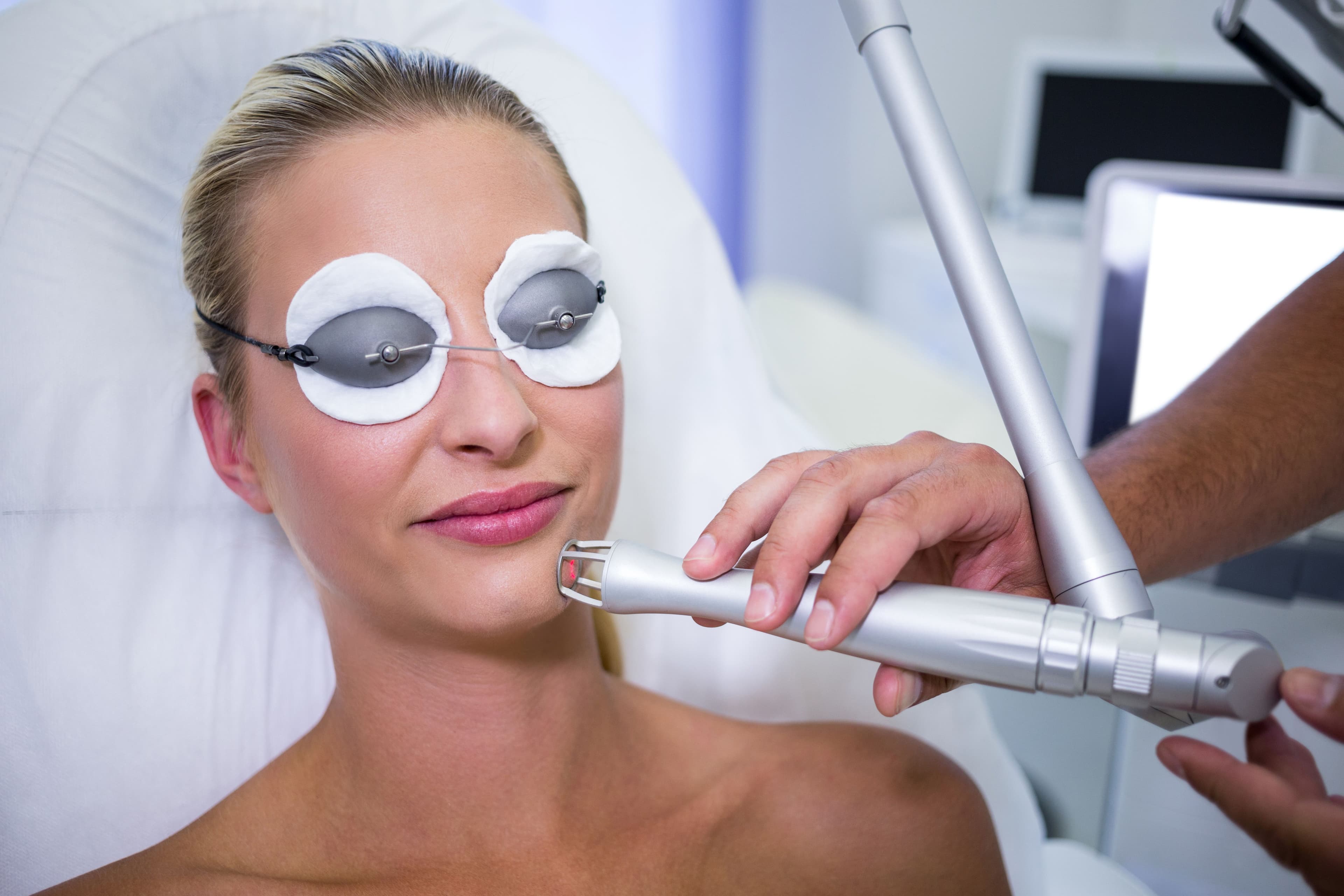
Ultherapy is one of the better-known non-invasive skin lifting treatments because it works beneath the skin’s surface using microfocused ultrasound energy. Instead of cutting, injecting, or resurfacing the skin, it targets deeper supportive layers to encourage the body’s own collagen-building response.
At Sycamore Medi Spa’s Ultherapy Prime treatment, the focus is on gradual, natural-looking lifting for areas such as the brow, under the chin, jawline, neck, and décolletage. It is not a surgical facelift, and it should not be described like one. But for the right person, it can be a strong option when mild to moderate skin laxity starts to become more visible.
What Exactly Is Ultherapy?
Ultherapy is a non-surgical treatment that uses focused ultrasound energy to stimulate collagen production in targeted layers beneath the skin. Collagen is one of the main proteins that gives skin its firmness and structure. As we age, collagen naturally reduces, and this can contribute to sagging, softening, and a less defined facial contour.
The official Ultherapy website notes that the ULTHERA® System is FDA-cleared to lift the eyebrow, skin on the neck, and skin under the chin, as well as improve lines and wrinkles on the décolletage. The American Society for Dermatologic Surgery also describes ultrasound therapy as a treatment that deposits focused ultrasound energy below the surface to support new collagen formation.
The important thing to understand is that Ultherapy does not create an instant pulled effect. It works gradually. The ultrasound energy starts a natural repair process, and the skin may become firmer and more lifted over the following months.
This is why many people like the treatment. The change is usually subtle and progressive, not sudden or obvious.
Why People Choose Ultherapy Instead of Surgery
Surgery can create a more dramatic lifting result, especially for advanced skin laxity. But not every client wants surgery, and not every client needs it.
Many people considering Ultherapy are in the early to moderate stage of skin ageing. They may still have good skin quality overall, but they are starting to notice laxity in specific areas. For example, the lower face may look heavier, the jawline may not feel as sharp, or the neck may look less firm.
Ultherapy can be appealing because:
- It does not involve incisions
- There is no general anaesthetic
- Downtime is usually minimal
- Results develop gradually
- It can support a natural-looking lift
- It works well for clients who are not ready for surgery
This does not mean Ultherapy is a replacement for a facelift. It is better understood as a non-surgical lifting option for people who want improvement without the commitment, recovery, and invasiveness of surgery.
For clients comparing different non-surgical lifting methods, Sycamore’s broader discussion of Face Lift Canberra options explains how treatments such as Ultherapy Prime, Ultraformer III, LIFTERA COOL, and Diamond Polar can all sit within a modern skin firming plan.
What Areas Can Be Treated?
Ultherapy is commonly used on areas where skin laxity tends to show earlier or become more frustrating over time. These include the brow, lower face, jawline, under the chin, neck, and décolletage.
The lower face and neck are especially common concerns. A client may not feel that their skin looks “old”, but they may notice that the face has lost some definition. This is often what leads people to search for Ultherapy Canberra in the first place. They are not looking for a completely new face. They want their natural facial structure to look a little more supported.
The brow area is another common treatment zone. A subtle lift around the brow can help the eye area look more open without changing facial expression. For the décolletage, the aim is usually to improve the look of fine lines and crepey texture across the upper chest.
A consultation is important because not every concern is caused by skin laxity. Pigmentation, redness, volume loss, acne scarring, and surface texture need different approaches. If the main concern is skin tone or texture, a treatment from Sycamore’s broader skin and body treatment may be more suitable.
Ultherapy vs HIFU: What Is the Difference?
This is one of the most common questions clients ask. Ultherapy and HIFU are related, but they are not always the same thing.
HIFU stands for High-Intensity Focused Ultrasound. It is a broader category of ultrasound-based skin tightening treatments. Ultherapy is a specific branded treatment that uses microfocused ultrasound with visualisation. This visualisation allows the practitioner to see targeted tissue layers during treatment, which helps guide energy delivery more precisely.
If you are comparing treatment names, Sycamore’s article on Ultherapy vs HIFU gives a more detailed explanation of how the two are different in practice.
Sycamore also offers LIFTERA COOL, an advanced HIFU technology designed for non-surgical face lifting and tightening. For some clients, LIFTERA COOL may be discussed as an alternative or complementary option, depending on comfort level, treatment area, and skin condition.
The best choice is not always about which device sounds more advanced. It is about which treatment suits your skin, your concern, and the type of result you want.
What Does Ultherapy Feel Like?
Ultherapy is not usually described as a relaxing facial. It is an energy-based treatment, so some level of sensation is expected. Clients may feel warmth, tingling, prickling, or brief deeper intensity as the ultrasound energy is delivered.
The feeling can vary depending on the treatment area. Bony areas, the jawline, or areas close to nerves may feel more sensitive. Some people tolerate the treatment quite well, while others find certain moments uncomfortable but manageable.
A professional consultation should explain this clearly before the treatment. The practitioner should also check in with you during the session and guide you through what is happening. Knowing what to expect often makes the experience much easier.
After treatment, the skin may look slightly red or feel tender. Some clients notice mild swelling, sensitivity, or a tight feeling. These effects are usually temporary. Most people can return to normal daily activities without needing a long recovery period.
When Will You See Results?
This is where expectations need to be realistic. Ultherapy is not an instant-lift treatment. Some clients notice early firmness, but the main result usually develops gradually over several weeks to months as new collagen forms.
Many people begin to see changes around two to three months after treatment, with further improvement possible over time. Clinical reviews of microfocused ultrasound also support its role in improving mild to moderate facial skin laxity, though results can vary between individuals. For readers who want more clinical detail, this systematic review on microfocused ultrasound for facial skin tightening provides useful background.
The gradual result is one of the reasons Ultherapy can look natural. The face does not suddenly appear different. Instead, the skin may slowly look firmer, more lifted, and better supported.
How long the result lasts depends on the person. Age, skin condition, lifestyle, sun exposure, collagen response, and the degree of laxity all matter. Some clients may choose maintenance treatments in the future, while others may combine Ultherapy with other skin treatments for a broader anti-ageing plan.
Can Ultherapy Be Combined With Other Treatments?
Yes, in some cases. Ultherapy works mainly on lifting and tightening, but it does not address every skin concern.
For example, if the skin also looks dull, dehydrated, pigmented, or uneven, other treatments may be recommended separately. If the goal is overall firmness and skin quality, radiofrequency-based treatments such as Diamond Polar Treatment may also be considered, especially for clients wanting improvement in elasticity, fine lines, and early signs of ageing.
This does not mean doing everything at once. A good treatment plan should be paced properly. Sometimes the best result comes from choosing one main treatment first, reviewing the response, and then deciding what else is needed.
Who Is a Good Candidate for Ultherapy?
Ultherapy may suit people with mild to moderate skin laxity who want a non-surgical lifting option. It is often considered by clients who notice softness around the jawline, heaviness under the chin, early neck laxity, brow heaviness, or fine lines across the décolletage.
It may not be the best option if there is significant loose skin, major volume loss, or a concern that is mainly about pigmentation or skin texture. In those cases, another treatment may be more suitable, or a combination plan may be needed.
This is why consultation matters. The right treatment depends on what is actually causing the concern, not just the treatment name.
FAQ: Common Questions About Ultherapy
Is Ultherapy painful?
Ultherapy can feel uncomfortable at certain moments, especially when the ultrasound energy is delivered into deeper layers. Some people describe it as heat, prickling, or a brief deep sensation. It is not usually described as relaxing, but many clients find it manageable with proper guidance during the treatment.
How much downtime should I expect?
Downtime is usually minimal. Some redness, tenderness, swelling, or sensitivity can happen after treatment, but many people return to normal activities soon afterwards. Your practitioner will give aftercare advice based on the area treated and your skin response.
How soon will I see results?
Some clients notice early changes, but the main result usually appears gradually over two to three months as collagen production increases. Further improvement may continue after that.
Is one session enough?
Many clients have one session, but this depends on skin condition, age, laxity level, and treatment goals. Some people may benefit from maintenance treatments later. This is best discussed during consultation.
Is Ultherapy the same as a facelift?
No. Ultherapy is non-surgical and works by stimulating collagen. A facelift is surgery and can create a more dramatic result for advanced sagging. Ultherapy is better suited to mild to moderate laxity and clients wanting a more gradual, natural-looking improvement.
Can Ultherapy treat double chin?
Ultherapy can help lift and firm the area under the chin when skin laxity is part of the concern. However, if fullness under the chin is mainly caused by fat, another treatment approach may be more suitable.
Is Ultherapy suitable for all skin tones?
Because Ultherapy uses ultrasound energy beneath the skin surface rather than targeting pigment in the skin, it is often considered suitable across different skin tones. A consultation is still needed to check suitability and safety for each person.
A Natural Lift Starts With the Right Assessment
Ultherapy can be a strong option for people who want firmer, more lifted-looking skin without surgery. Its biggest appeal is not that it creates a dramatic overnight change, but that it supports gradual improvement while keeping the face looking natural.
For clients considering Ultherapy Canberra, the best starting point is a personalised consultation. The right practitioner should look at your skin, listen to what bothers you, explain what is realistic, and recommend the treatment that actually fits your face.
A natural-looking lift is not about changing who you are. It is about helping your skin look a little more supported, refreshed, and confident — in a way that still feels like you.