From Breakouts to Confidence: Finding the Right Acne Treatment
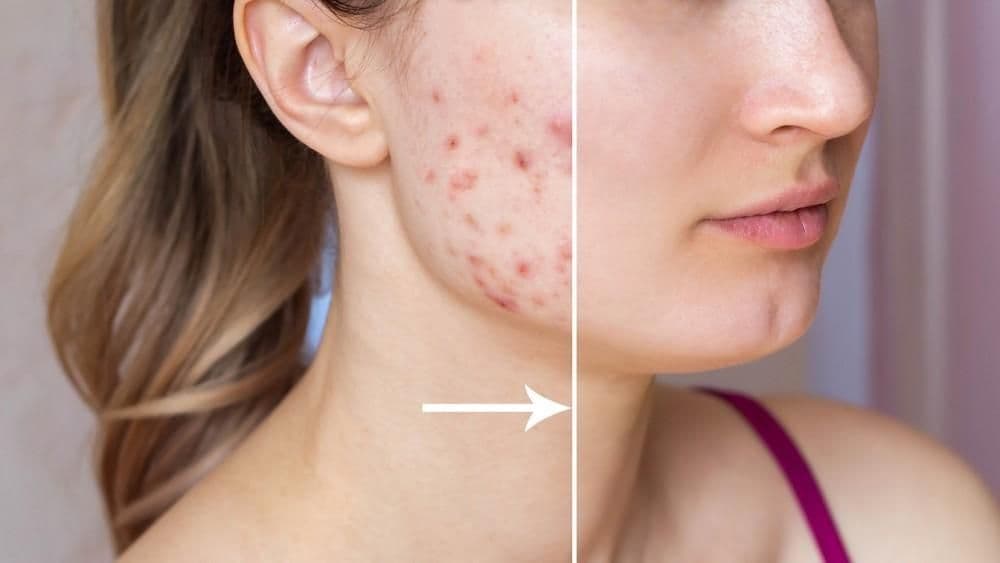
Acne has a way of making itself feel much bigger than it looks on paper. A breakout might begin as a few clogged pores, a patch of redness, or a stubborn spot that refuses to settle, but the impact rarely stops at the surface. It can change the way you get ready in the morning, the way you look at your reflection, and even the way you show up in social settings. For some people, it is a passing stage. For others, it becomes an ongoing cycle of trial and error: a new cleanser, a trending serum, a product that promises fast results, followed by disappointment when the same flare-ups return. That is why finding the right acne treatment is not really about chasing a miracle product. It is about understanding what your skin is doing, what it actually needs, and how to build a plan that supports clearer, healthier skin over time.
One of the most frustrating things about acne is how personal it feels, while also being incredibly common. Teenagers deal with it, adults deal with it, and many people who thought they had “grown out of it” later find themselves facing hormonal breakouts, post-acne marks, or texture changes that make the skin feel uneven and unsettled. In many cases, breakouts are linked to a combination of excess oil, blocked pores, inflammation, bacteria, and individual factors such as hormones, skin sensitivity, or genetics. Because there is no single cause, there is rarely a single answer. A treatment that works beautifully for one person may do very little for someone else. That is also why a more thoughtful, personalised approach tends to work better than copying what someone else used online.
Why acne can linger longer than expected
Many people assume acne should clear quickly if they simply find the “right” wash or spot treatment. In reality, skin improvement usually takes consistency, time, and a treatment approach that matches the type and severity of the breakouts. Mild congestion, blackheads and occasional pimples often respond to good skincare habits and carefully chosen topical products. More persistent acne, inflammatory lesions, recurring jawline breakouts, or acne that leaves visible marks may need something more structured. According to trusted clinical guidance, acne treatment often takes weeks or even months before visible improvement becomes clear, which is why changing products too often can sometimes work against progress rather than support it.
That time factor matters because people often give up too early. When skin is inflamed, it can also become more reactive, which means over-cleansing, over-exfoliating, or layering too many active ingredients may leave the barrier stressed and the breakouts looking worse. This is where calm, informed decision-making starts to matter more than hype. Instead of asking, “What is the strongest product I can buy?”, the better question is, “What kind of acne am I dealing with, and what will help my skin improve steadily without unnecessary irritation?” That shift in mindset changes everything. It moves the focus away from panic and towards a plan.
Why one-size-fits-all acne treatment often fails
Generic acne advice sounds simple, but real skin is not simple. Some people mainly deal with congestion and oiliness. Others have painful inflamed breakouts, post-acne pigmentation, textural irregularities, or early acne scars. There are also people whose skin looks like it is “breaking out”, when in fact irritation, product overload, or another condition may be making things worse. This is one reason professionally guided care can be so valuable. It helps separate what is happening now from what happened before, and it creates a treatment sequence that makes sense instead of piling multiple ideas together at once. The right acne treatment is often not just a single step, but the right order of steps.
At Sycamore, that more measured approach is reflected in the clinic’s visible treatment structure. Their dedicated acne treatment in Canberra page explains that AC Dual is designed to improve post-acne marks, enlarged pores, uneven texture and acne-related scarring concerns, while their broader advanced skin treatment options show that technology-led care can be tailored to concerns including acne reduction and resurfacing support. That matters because breakouts are not always just about stopping the next pimple. Many clients are also dealing with the after-effects: lingering redness, rough texture, enlarged pores, or a loss of confidence that remains even when the active acne begins to settle.
What a good acne plan usually considers
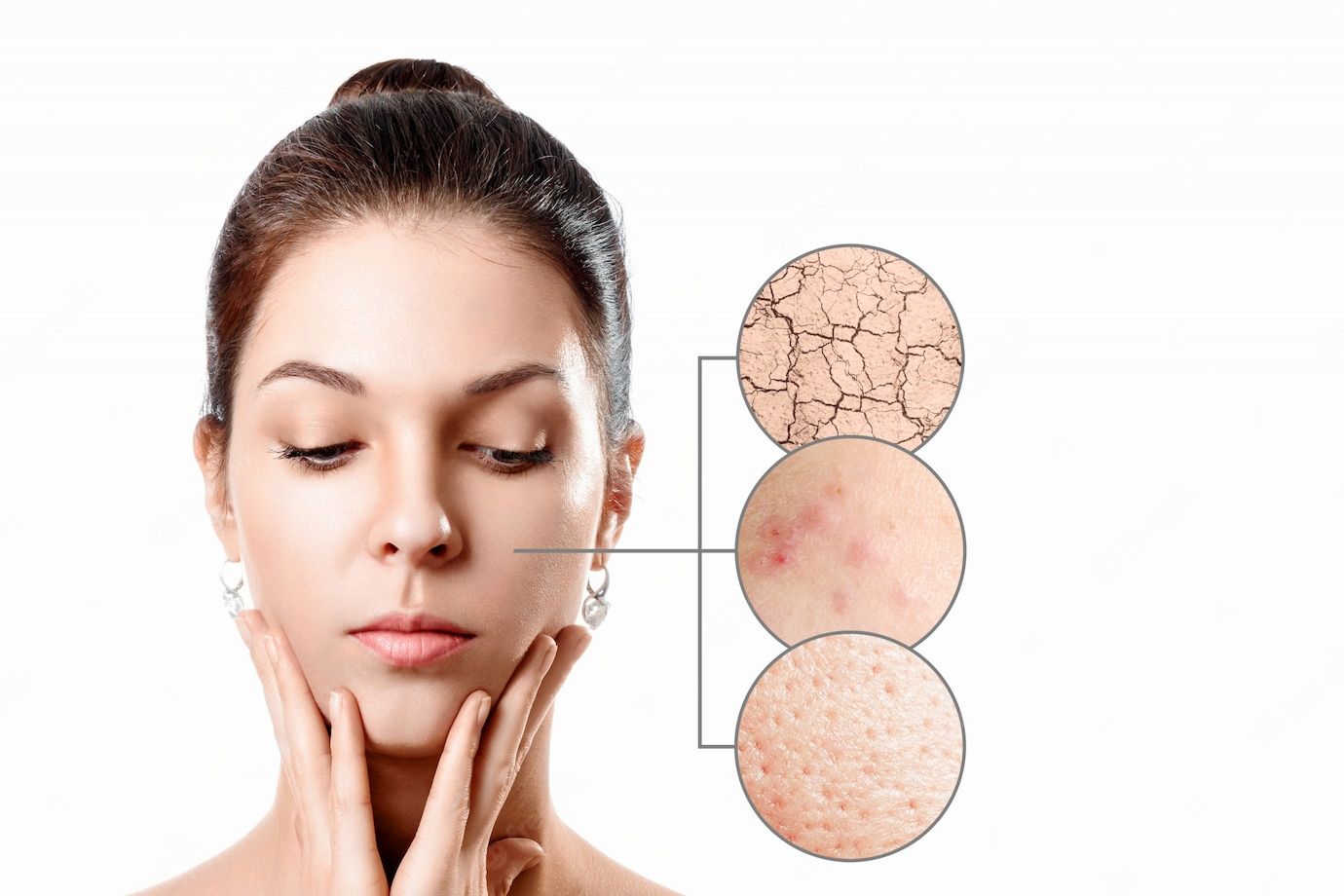
A strong treatment plan does not begin with assumptions. It begins with context. That means looking at what kind of breakouts are present, how long they have been happening, whether the skin is leaving marks afterwards, how sensitive the skin barrier is, and what has already been tried. It may also include practical factors such as lifestyle, stress, routine consistency, and whether the person wants gradual low-downtime treatment or is open to a more structured clinic-based plan. When you look at acne this way, the goal stops being “throw everything at it” and becomes “reduce inflammation, protect the barrier, and improve skin quality in a sustainable way”.
A thoughtful consultation often works through a few simple questions:
- Are the breakouts mostly clogged pores, inflamed pimples, or deeper recurring lesions?
- Is the main concern active acne, or are acne scars and post-acne marks now the bigger issue?
- Has the skin become irritated from too many products, too much exfoliation, or inconsistent routines?
- Would home care alone be enough, or is professional acne treatment the smarter next step?
Those questions sound basic, but they help prevent one of the biggest mistakes in skincare: treating every skin concern as if it needs the same solution.
Home care still matters, but it is not always the whole answer
There is a reason dermatology and public health guidance continue to emphasise simple, acne-friendly habits. Gentle cleansing, non-comedogenic products, sun protection, and consistency are all foundational. For mild acne, some people do very well with topical ingredients and patient use over time. But home care has limits. If the breakouts are ongoing, if they are leaving marks, if the skin feels trapped in a cycle of inflammation, or if the emotional impact is becoming significant, professional support can be a sensible next step rather than a last resort. Healthdirect notes that there are many effective acne treatments, including creams and oral medicines, and that combinations are often used depending on the type of acne and the individual’s overall situation. The American Academy of Dermatology also highlights that clearer skin usually comes from combining the right treatment with acne-friendly skincare rather than relying on one standalone fix.
That is where a clinic setting can change the experience. Instead of guessing which trend to follow next, you can look at what your skin is doing today and choose a pathway that fits. At Sycamore, the visible site structure suggests a layered model that aligns with how many modern clinics think about skin: active breakouts may be stabilised first, then residual marks, texture, pore appearance, and scarring concerns can be addressed in stages. For readers who want to understand how collagen-supportive treatments may fit into that broader picture, Sycamore’s article on microneedling in Canberra is a useful internal reference point, especially when texture refinement becomes part of the conversation after active acne is more controlled.
Treating active acne is only part of the story
For many people, the real frustration begins after the breakout fades. The spot may be gone, but the mark remains. Redness lingers. Pigmentation seems slow to lift. Makeup sits unevenly because the texture has changed. In some cases, deeper acne scars create shadows or indentations that make the skin look less smooth, even when there are fewer active lesions. This is exactly why a complete acne treatment conversation should include both control and recovery. Active acne needs to be reduced, but the skin also needs support as it repairs. Otherwise, people often feel as though they are always “almost there” without ever truly feeling comfortable in their skin.
The good news is that modern skin treatment does not have to think in such narrow terms. Once inflammation begins to settle, it may be possible to shift the focus towards texture, pores, and post-acne changes with professional support. Sycamore’s visible acne treatment page specifically references post-acne repair, collagen regeneration support, and concerns such as enlarged pores and uneven texture, which is helpful because it speaks to what many clients are actually trying to improve. They are not only asking, “How do I stop this breakout?” They are also asking, “How do I get my skin to look smoother, calmer and more even again?” That is a much more complete question, and it usually leads to a much better plan.
Realistic expectations make a big difference
One of the most helpful things a clinic can offer is honesty. Clearer skin is possible, but progress is rarely instant. Some treatments aim to reduce inflammation. Some support skin turnover. Some focus on texture and collagen remodelling. Some people improve fairly quickly once the right routine is in place, while others need a slower, staged process because the acne has been present for a long time or the skin is highly reactive. Setting realistic expectations does not make treatment less appealing; it makes it more trustworthy. When people know what improvement may look like over the next few weeks and months, they are less likely to quit too early or bounce between conflicting approaches.
That realistic approach is especially important for anyone searching for the best acne treatment for acne scars or long-term post-acne texture changes. Scar-related improvement typically takes longer than reducing active breakouts because the skin is not simply calming down; it is rebuilding. Treatments that support resurfacing or collagen renewal are usually part of a broader strategy, not a magic reset button. This is why sequencing matters so much. If active acne is still flaring aggressively, it often makes sense to settle that first, then address the marks and texture with more confidence. Trying to fix everything at once can feel efficient, but in practice it often creates confusion and irritation instead of progress.
Confidence comes back in stages too
It is easy to think confidence will return only when the skin is flawless, but that is rarely how it actually works. More often, confidence starts to come back when the skin feels less unpredictable. When you stop waking up wondering what new flare-up will appear. When makeup sits better. When redness settles faster. When you no longer feel tempted to hide behind filters or avoid bright lighting. Confidence grows in those in-between moments, when improvement becomes visible enough that you trust the process again. That is why good acne treatment can have an impact far beyond the surface. The goal is not perfection. The goal is getting your skin to a place where it feels calmer, stronger, and easier to live with.
For Canberra clients, local support also matters. Having access to a clinic that clearly presents skin treatment services and provides a direct path to contact Sycamore for treatment enquiries makes the next step feel much more manageable. Sycamore’s website also confirms Canberra locations and booking support, which is useful for readers who are ready to move beyond general skincare advice and into a more personalised conversation about what their skin needs next. Sometimes the biggest shift is not a product purchase at all. It is deciding to stop guessing and start with a proper assessment.
Where to learn more without getting overwhelmed
There is no shortage of acne advice online, but not all of it is equally helpful. If you want general, trustworthy reading outside the clinic setting, two good starting points are Healthdirect’s acne treatments guide and the American Academy of Dermatology’s acne resource centre. Both explain treatment categories, skincare basics, and why matching the plan to the type of acne matters. Reading authoritative information can be useful, but it is even more useful when combined with a personalised assessment, because your skin history, sensitivity, and goals still matter more than generic internet advice.
##The right acne treatment is the one that makes sense for your skin
The most effective acne treatment is not always the newest, the strongest, or the most talked-about option online. It is the one that fits your skin’s current condition, your level of sensitivity, your goals, and the stage you are actually in. Some people need a simple reset and better home habits. Some need professional acne treatment in Canberra because the breakouts are persistent, the marks are lingering, or the texture changes are beginning to affect confidence. Some need a staged plan that starts with calming active acne and later moves into post-acne repair. All of those pathways are valid. The point is not to chase a perfect routine from day one. The point is to choose the next right step.
If your skin has been stuck in the same cycle for longer than it should, there is real value in taking a more considered approach. The right support can help you move from breakouts and frustration towards visible progress and renewed confidence. And once that happens, skincare stops feeling like a battle. It starts to feel like something much simpler: a routine, a plan, and a face in the mirror that finally feels like yours again.