Advanced Skin Rejuvenation with Exosomes: What Clients Should Know
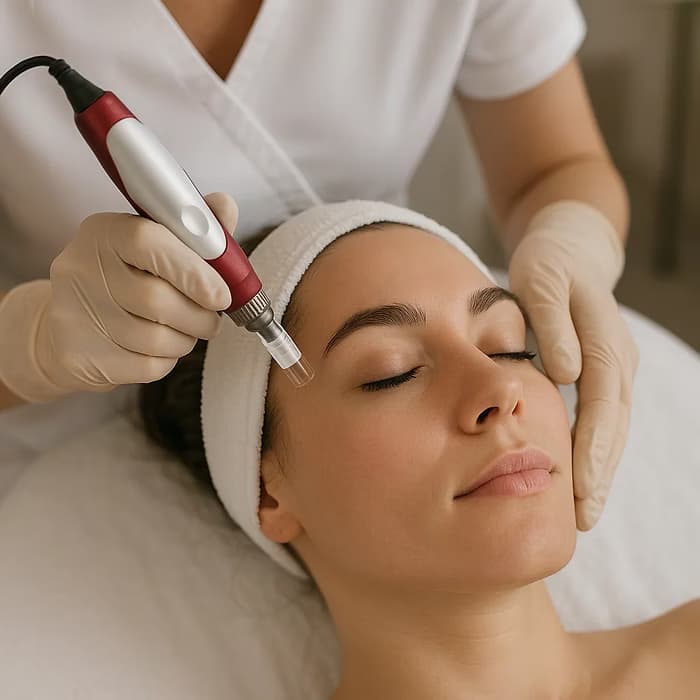
Skin does not usually change all at once. For most people, it happens gradually. A bit more dullness than before. Texture that feels rougher even when the skin looks fine in photos. Makeup sitting differently. Pores looking more obvious. Fine lines that were easy to ignore suddenly feeling harder to ignore.
That slow shift is one reason advanced skin treatments get so much attention. People are not always looking for something dramatic. Often, they just want their skin to look fresher, smoother, healthier, and a little more like itself again. That is where exosomes have entered the conversation.
If you have been researching skin rejuvenation recently, you have probably seen the word everywhere. It sounds high-tech, and in many ways it is. But for clients, the real question is much simpler: what does exosome treatment actually mean in practice, and where does it realistically fit into a skin plan?
Why exosomes are getting so much attention
Exosomes are small extracellular vesicles that have attracted growing interest in regenerative aesthetics and dermatology. In simple terms, they are often described as messenger-like particles involved in cell communication, which is why they are being explored for skin repair, recovery, and overall rejuvenation. The excitement around them is real, but so is the fact that this area is still developing.
That balance matters. There is a difference between an emerging treatment with genuine clinical interest and a miracle solution that can supposedly fix everything. Recent reviews on exosome-based therapies in dermatology describe the field as promising, especially for skin rejuvenation, but also note clear limitations such as small study sizes, short follow-up periods, and a lack of standardised protocols across products and clinics.
For clients, that means two things can be true at once. Exosomes may be a very interesting addition to advanced skin treatments, and you still need to stay grounded about claims, outcomes, and safety. That is also why it is worth reading broader references like the FDA consumer alert on regenerative medicine products, including exosomes, which notes that there are currently no FDA-approved exosome products. That does not automatically tell you what to do in an aesthetic setting in Australia, but it does remind you not to confuse popularity with settled science.
What clients are usually hoping to improve
In a cosmetic setting, interest in exosomes tends to centre around skin quality rather than a single isolated problem. People are usually not asking for exosomes because they want one wrinkle erased by Friday. They are looking at a broader mix of concerns: tired-looking skin, uneven texture, early signs of ageing, a loss of bounce, lingering roughness, or the feeling that their skin is not recovering as well as it used to.
That is part of why the treatment sounds appealing. It fits the language many clients already use. They want glow, but not a fake look. They want smoother skin, but not a harsh recovery. They want improvement, but they do not necessarily want to jump straight into the most aggressive option available.
Still, realistic framing matters. Exosome treatment is not best understood as a magic standalone answer. It makes more sense to think of it as one part of a broader skin rejuvenation conversation. For people who are still comparing treatment directions, Sycamore’s Skin Rejuvenation Canberra Explained page is a useful starting point because it places collagen-focused treatments, light-based treatments, and other rejuvenation options into a more practical context.
Why exosomes are often discussed with microneedling
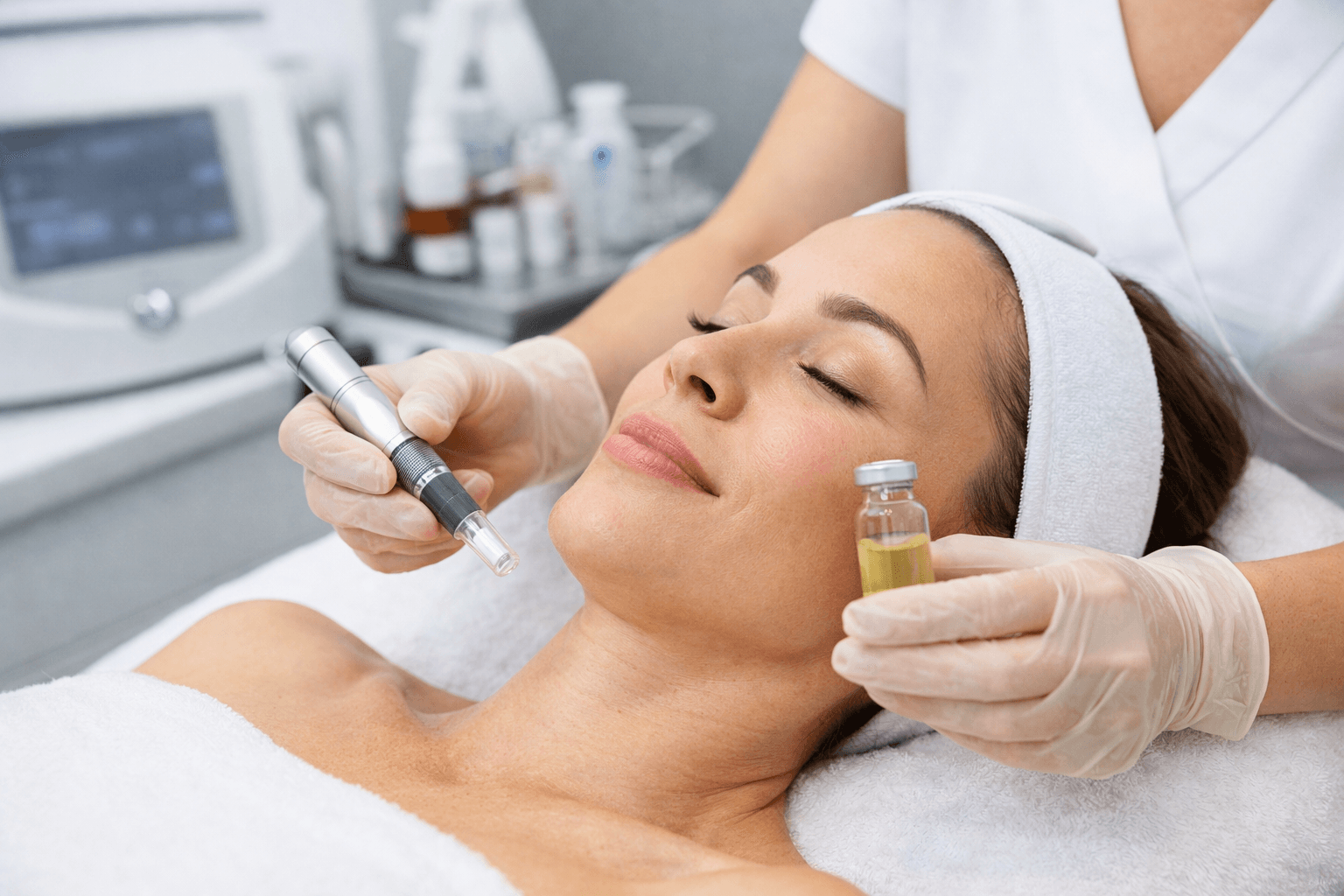
One reason exosomes come up so often in clinic conversations is that they are commonly discussed alongside microneedling. That pairing is not random. Microneedling is already a well-known treatment for concerns such as acne scars, enlarged pores, uneven texture, dark spots, fine lines, and wrinkles because it works by stimulating collagen production. In aesthetic practice, exosomes are often applied after a procedure such as microneedling or laser treatment as part of a skin recovery and rejuvenation strategy.
This is where exosome conversations often become more understandable for clients. Microneedling already has a clearer place in the skin treatment world. It is familiar, practical, and easier to explain. The American Academy of Dermatology’s microneedling overview is a good reference if you want a neutral explanation of what microneedling is used for and why professional treatment matters. At Sycamore, Meso Microneedling is described as a non-invasive rejuvenation treatment that supports collagen and elastin production, with generally light downtime such as temporary redness or irritation for a few days.
For a client, that practical pairing usually makes more sense than the science-heavy version. You are not being asked to decode cell biology. You are really asking whether adding exosomes to a professionally chosen treatment plan may help support better-looking skin quality and recovery. That is a much more grounded question.
What realistic results usually look like
The most sensible expectation is improvement in skin quality, not a sudden new face. People who are drawn to treatments like this are usually hoping for skin that looks calmer, smoother, fresher, and more refined over time. Think of it as movement in the right direction rather than an overnight transformation.
That matters because a lot of disappointing treatment experiences start with the wrong expectation, not necessarily the wrong treatment. If someone expects exosomes to behave like surgery, filler, or a highly aggressive resurfacing procedure, they are setting themselves up badly from the start. A treatment focused on skin quality is playing a different role.
It is also worth remembering that many aesthetic improvements happen gradually because the skin needs time to respond. Reviews of exosome-based therapies continue to describe the field as promising, but they also stop short of suggesting that outcomes are fully predictable or standardised across every product and setting. That is one reason careful treatment selection still matters more than hype.
If your main concerns are things like acne scarring, pores, or fine lines, the more useful question may not be “Are exosomes good?” but “Are exosomes the right add-on for my skin and my goals?” Sometimes the answer may be yes. Sometimes the better answer is to focus first on the treatment doing the heavier lifting, such as microneedling, light-based rejuvenation, or another modality. Sycamore’s article on microneedling for acne scars, pores, and fine lines is a good example of that more practical way of thinking.
What to ask before booking
A good consultation should make the treatment feel clearer, not more mysterious. If the explanation relies too heavily on buzzwords and not enough on practical details, that is usually not a great sign.
A few questions are worth asking:
- What is the treatment actually being paired with?
- Is the goal recovery support, overall skin quality, texture improvement, or something else?
- What kind of downtime should I realistically expect?
- What should I avoid before and after the appointment?
- How many sessions are usually discussed for concerns like mine?
- What are the limits of this treatment for my skin?
Those questions matter because exosome treatment does not exist in a vacuum. The result you notice is shaped by the whole plan: the underlying skin concern, the procedure it is paired with, the quality of aftercare, and how realistic the treatment goal is in the first place.
Aftercare is not the boring part
A lot of people focus on the treatment day and barely think about what comes next. In reality, aftercare can make a noticeable difference to how the skin settles and how comfortable the recovery feels.
That is especially true when exosomes are paired with microneedling or another advanced treatment. Sycamore’s guidance around microneedling highlights simple but important basics: keep the skincare routine gentle, limit sun exposure, use proper sun protection, avoid unnecessarily irritating products, and expect temporary redness, warmth, or mild sensitivity rather than instantly polished skin.
This is one of those areas where professional treatment is about more than access to a device. It is about judgement. It is about knowing when skin is a good candidate, how strong the treatment should be, what recovery should look like, and when a client would be better served by a different plan.
Not every skin concern needs the same answer
One of the easiest ways to make a treatment sound more impressive than it is, is to pretend it suits everyone. Good skin planning rarely works like that.
Some people are mainly bothered by redness, pigmentation, or sun damage. Others are more concerned about rough texture, acne scarring, mild laxity, or an overall loss of radiance. Those concerns can overlap, but they are not identical, and they do not always respond best to the same approach. Sycamore’s broader skin rejuvenation content reflects that reality by discussing multiple treatment categories rather than trying to force every concern into one box.
That is actually a good sign. A clinic that can talk honestly about where exosomes fit, where they may help, and where something else may be more suitable is usually taking skin planning more seriously than a clinic pushing one trendy word across everything.
So, is exosome treatment worth considering?
For the right client, yes, it can be worth considering. Not because it is fashionable, but because advanced skin rejuvenation is increasingly moving toward layered treatment plans rather than one-off miracle fixes. Exosomes fit that mindset. They are part of a broader conversation about skin recovery, regeneration, and quality.
But it only makes sense if the treatment is presented clearly. You should know what it is being paired with, what it is meant to support, and what kind of result would actually count as a win for your skin. Healthier-looking texture, better overall glow, a smoother feel, and a more refined complexion are realistic ways to think about it. “This will solve everything” is not.
If you are already exploring options at Sycamore, it can help to look at the clinic’s current Exosome Rejuvenation offering alongside its other skin-focused treatment pages, not because you need to book on the spot, but because it gives you a better feel for where this treatment sits within the broader menu.
A sensible place to land
Exosomes are interesting for a reason. They sit at the intersection of regenerative science, skin recovery, and modern aesthetic treatment design. That is enough to make them worth paying attention to.
At the same time, the smartest approach is not to get swept up by the most dramatic claims. A better approach is to ask a simpler question: does this treatment make sense for my skin, my concerns, and the kind of result I actually want?
That question tends to lead to better decisions than hype ever does.